
How much can you reduce your electricity bill if you stop watching TV?
With electricity bills rising in recent years, many households are looking for ways to save energy. Televisions, in particular, are used for long periods of time each day, and are a surprisingly large source of electricity consumption . So, how much can you actually save on your electricity bill if you stop watching TV? In this article, we'll compare the average electricity bill for a television with energy-saving devices, and introduce specific ways to save money.
This is actually how much your TV electricity bill costs! For an average household
The power consumption of a typical Japanese television varies greatly depending on the screen size. According to a survey by the Japan Electronics and Information Technology Industries Association, the monthly power consumption of a 43-inch television is approximately 8.25 kWh (approximately 1,100 yen in electricity bills), and 9.25 kWh (approximately 1,230 yen ) for a 50-inch television (calculated based on an electricity rate of 133 yen per kWh).
These aren't just numbers. In a year, you'll spend about 13,200 yen on a 43-inch TV, and about 14,760 yen on a 50-inch TV. If your family watches TV for an average of four hours a day, this amount will increase even more.
How much you can save on your electricity bill if you stop watching TV: Specific calculation examples
So, how much can you reduce your electricity bill if you stop watching TV? The following table compares the monthly electricity bills of a standard TV and an energy-saving device.
| device | Power consumption (monthly) | Electricity bill (monthly) | Difference from TV (monthly) |
|---|---|---|---|
| 43-inch TV | 8.25kWh | Approximately 1,100 yen | - |
| 50-inch TV | 9.25kWh | Approximately 1,230 yen | - |
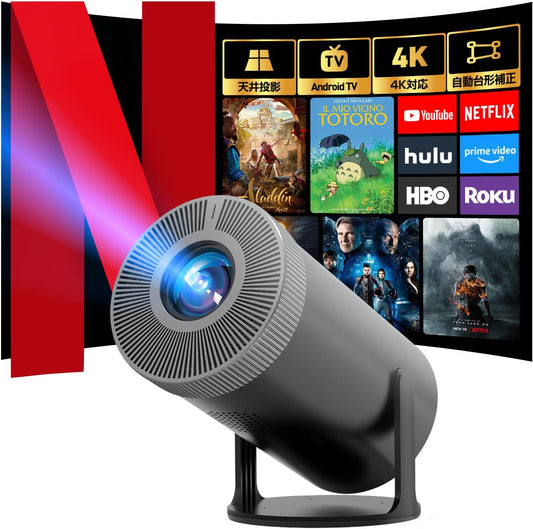
| Aestiquo Q1 Projector | 4.05kWh | Approximately 540 yen | 560 yen cheaper than the 43-inch model and 690 yen cheaper than the 50-inch model |
| Portable DVD player | 1.01kWh | Approximately 135 yen | 965 yen cheaper than the 43-inch model and 1,095 yen cheaper than the 50-inch model |
Energy-saving equipment recommendations Aestiquo products can be put into practice
Even if you stop watching TV, many people still want to enjoy movies and dramas. Aestiquo's energy-saving devices are perfect for such occasions.

For more information about Aestiquo products, check out their official FAQ page
How to save even more by going TV-free
In addition to cutting down on the TV, there are other ways to reduce your energy bill . Here are some tips:
- Brightness adjustment : Set the screen brightness of the projector or portable DVD player to the minimum required level.
- Turn off standby power : Always turn off the power when not in use. Standby power alone can save you thousands of yen a year.
- Set viewing time : Decide how much time you want to watch per day and avoid wasting time.
- How to choose energy-saving equipment : When purchasing new equipment, check the Eco Mark and energy-saving standards .
Summary: Benefits of Quitting TV
By cutting out television, you can reduce your electricity bill by up to 1,230 yen per month, or approximately 14,760 yen per year . Furthermore, by using energy-saving devices from Aestiquo , you can live a frugal life without compromising your viewing enjoyment.
With electricity bills rising, small changes can add up to big savings . Why not use the information in this article as a reference and start living an energy-efficient life in your own home?